


Tattoo Pain Guide for Your First or Next Piece

A tattoo does not feel like one clean, simple thing. It can feel like a hot scratch, a sharp little sting, a steady vibration, or an annoying burn that builds over time. This tattoo pain guide gives you the useful version: what changes the experience, where placement matters, and how to arrive ready to sit well.
Pain is real, but it is not a test of toughness. A good tattoo is worth planning around, whether you are getting a small walk-in design or starting a larger custom piece. The goal is not to prove you can suffer. The goal is to choose a design and placement you will be excited to wear for years.
What Tattoo Pain Actually Feels Like
Most people compare tattooing to repeated scratching with a sharp object. That is close enough, but incomplete. A tattoo machine moves quickly, depositing pigment just below the skin's surface. The feeling changes as the artist moves from clean outlines to shading and color packing.
Outlines often feel sharp and focused. Shading can feel more like a dull, dragged abrasion. Solid color packing may become hot and irritating because the same area gets worked repeatedly. A few minutes can be easy; an hour on tender skin can feel very different.
Your body also adapts. The first few minutes may feel intense because everything is new. Once you settle into the rhythm, it is usually manageable. Later in a session, fatigue can make the same sensation feel louder. That is why a tattoo that starts easy can get challenging near the end.
Tattoo Pain Guide: What Affects Your Session
Placement gets most of the attention, and it should. But it is only one part of the picture. Your sleep, food, stress level, design, and session length all have a say.
Placement and body composition
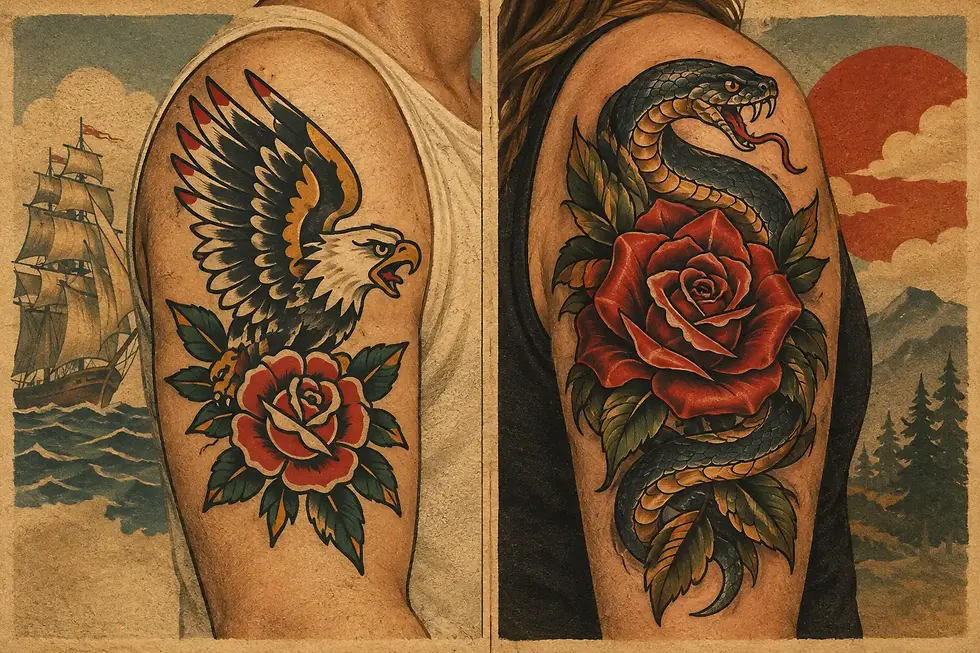
Areas with more muscle or natural padding tend to be easier for many people. The outer upper arm, forearm, outer thigh, and calf are common choices for a first tattoo because they often offer a more forgiving experience. They also give bold designs room to read clearly from a distance.
Places close to bone, with thin skin, or packed with nerve endings usually feel more intense. Think ribs, feet, ankles, sternum, spine, knees, elbows, hands, fingers, neck, and the inner parts of the arm or thigh. That does not mean these spots are off-limits. Plenty of great tattoos live there. It means the design should be worth the extra effort.
The exact spot matters more than broad placement labels. The fleshy center of a calf may be easy for you, while the area wrapping toward the shin can be a different story. An experienced artist can help position a design so it looks right and fits the body, not just a pain chart.
Size, detail, and repeated passes
A tiny tattoo is not automatically painless. A small design on a rib or finger can hurt more than a medium tattoo on the outer arm. Still, more coverage generally means more time under the machine, and longer sessions require more stamina.
Bold traditional tattooing has a practical advantage here. Strong lines, clear shapes, and intentional color can hold up beautifully without needing a huge amount of fussy detail. That does not make every bold tattoo quick, but a design built to last is often easier to read and easier to plan than something dependent on ultra-fine marks.
Color can add time, especially when a design includes large saturated sections. Black-and-gray work, color work, linework, and shading each create different sensations. Rather than choosing a style solely to avoid discomfort, choose work you genuinely want. Your artist can recommend a size and approach that respects both the design and your sitting time.
Your condition that day
Show up tired, hungry, dehydrated, anxious, or hungover, and tattooing usually feels worse. Your body has less patience for sustained discomfort, and you may feel lightheaded or shaky. A solid night's sleep, a real meal, and regular water make a noticeable difference.
Avoid alcohol before your appointment. It can affect bleeding and leave you feeling rough before the needle even starts. If you take prescription medication or have a health condition that could affect your appointment, check with your medical professional and communicate clearly with your artist before the session.
Stress deserves its own mention. Being nervous is normal, especially for a first tattoo. Tell your artist if you are feeling tense or worried about fainting. Clear communication gives everyone room to slow down, take a break when needed, and keep the experience calm.
Where Tattoos Tend to Hurt More or Less
There is no universal ranking because bodies are different. Still, patterns are useful when you are deciding between a few placements.
For many clients, the outer arm, forearm, outer thigh, calf, and upper back are relatively manageable. These areas are popular for a reason: they can accommodate strong, visible tattoo designs and are often comfortable enough for a longer session.
The inner bicep, inner forearm, hip, lower back, and areas near joints can be more sensitive. They may not be unbearable, but they can be surprising if you expect the same feeling as an outer-arm tattoo.
Ribs, feet, hands, fingers, sternum, knees, elbows, shins, ankles, and areas directly over bone have a tougher reputation. Some people find the vibration near bone more uncomfortable than the needle itself. Others dislike skin that feels thin or tight. If one of these placements is the right call for the tattoo, do it with open eyes and a design you believe in.
Pain can also travel. Work near the elbow may create a strange sensation down the arm. A tattoo near the ankle may feel unexpectedly sharp in the foot. That is a normal response to nearby nerves, not a sign that something is wrong.
How to Prepare to Sit Better
Treat tattoo day like a day you want to perform well. Eat a balanced meal a couple of hours beforehand, drink water throughout the day, and wear clean, comfortable clothing that gives the artist access to the area. Bring a layer if you tend to get cold during longer appointments.
Bring what helps you stay settled: headphones, a charged phone, or a simple distraction. Do not bring an audience. Too many people in the room can make a focused appointment harder for you and the artist.
Numbing products are not a universal answer. Some can affect the skin, wear off at an inconvenient point, or create a different challenge during the tattoo. Never apply a numbing product without discussing it with your artist first. The best plan depends on the product, the placement, and the work being done.
During the tattoo, breathe normally. Do not hold your breath or tense every muscle in anticipation. If you need a short break, say so before you reach your limit. A quick reset is better than pushing until you are shaky, restless, or miserable.
Choosing Placement Without Letting Fear Drive
The least painful spot is not always the best spot. A design may need a certain shape, scale, or direction to look like it belongs on your body. A panther, rose, eagle, dagger, or bold lettering all have placements where they can breathe and stay readable.
That is the trade-off: comfort matters, but longevity and composition matter too. If you love a rib placement but have never been tattooed, consider starting with a smaller piece in a more forgiving area. If you already know you can sit well, plan the tattoo where the design has the strongest future.
At Good Tattoo, the conversation starts with the work you want to wear, then gets practical about placement and appointment length. A skilled artist will not sell you a pain-free fantasy. They will help you make a smart call.
The best way to handle tattoo pain is simple: pick work you mean to keep, arrive fed and rested, communicate clearly, and let the artist focus. The discomfort passes. A bright, bold tattoo with a strong design stays with you.


Comments