


Tattoo Consultation Versus Direct Booking

You have the idea, the reference folder, and a spot picked out. Now comes the part that can feel less obvious: tattoo consultation versus direct booking. The right choice depends on how settled your design is, how much collaboration it needs, and whether the artist can confidently make the tattoo work within a standard appointment.
Direct booking is not the rushed option, and a consultation is not a test you need to pass. They are simply two ways to start well. Choosing the right one gives your artist the information they need and gives you a better shot at leaving with a tattoo that looks strong on day one and stays that way.
What Direct Booking Is Best For
Direct booking works when the tattoo has a clear path from idea to skin. You may already know the subject, approximate size, placement, and artist you want to work with. Your request might be a bold rose on the forearm, a panther in a classic pose, a simple script tattoo, or a piece selected from available flash.
This route is often a good fit for smaller to medium tattoos with straightforward placement. It also makes sense when your reference images explain the direction without asking the artist to combine five unrelated concepts into one design. A direct booking request still allows room for an artist's hand. In fact, it should. The point is not to copy a reference exactly. It is to give the artist a clean brief they can turn into a tattoo.
A solid direct booking inquiry usually includes the subject, placement, preferred size, black and gray or color preference, and a few useful references. If you have a deadline, such as a trip or a meaningful date, say so upfront. The more clearly you communicate the essentials, the easier it is to determine whether the appointment length and artist are right.
Direct booking can also be the right move for experienced collectors who know how they like to work. If you trust the artist's portfolio and are comfortable giving them creative room, a concise idea is often enough. Great tattoos do not need a novel attached to them.
When a Tattoo Consultation Makes More Sense
A consultation is for tattoos that need decisions before an appointment can be scheduled with confidence. This often includes larger work, multi-session projects, cover-ups, designs that must fit around existing tattoos, and ideas where placement will make or break the result.
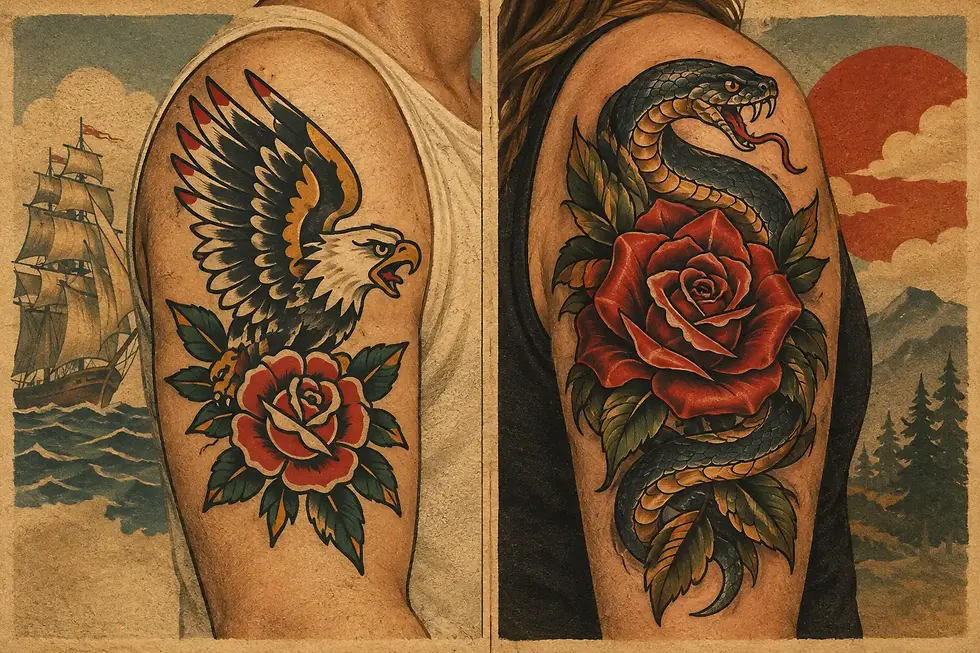
It is also useful when you know the feeling you want but cannot yet name the image. Maybe you want something tough, colorful, and timeless for your upper arm, but you are torn between an eagle, a snake, a skull, or a sacred heart. That is a good conversation to have with an artist. They can help narrow the direction based on the body part, the scale, and the kind of imagery that will still read clearly years from now.
The biggest value of a consultation is not getting every line drawn before you leave. It is setting the design up to succeed. An artist can look at the area in person, discuss how the tattoo should flow, flag details that may not age well at a tiny size, and establish what can realistically be accomplished in one sitting or several.
A consultation is especially smart if your concept comes with competing priorities. You may want a very small tattoo with lots of fine detail, a large design squeezed into a narrow space, or a cover-up that is lighter than the tattoo beneath it. Those requests are not automatically impossible, but they need an honest assessment. The best plan may involve changing the size, simplifying the design, choosing a different placement, or embracing a bolder approach.
Tattoo Consultation Versus Direct Booking: The Real Difference
The difference is not how serious you are about getting tattooed. It is how much needs to be solved before tattoo day.
With direct booking, the main decisions are already made. The artist reviews your request, confirms that it fits their work and schedule, and prepares for the appointment. There may still be design adjustments on the day. That is normal. A good artist will make sure the tattoo works with the body rather than forcing a flat sketch onto curved skin.
With a consultation, the appointment begins with problem-solving. You and the artist talk through the purpose of the tattoo, visual references, size, placement, budget range, and timeline. That conversation creates a stronger foundation for custom work, particularly when the piece needs to relate to other tattoos or occupy a prominent part of the body.
Neither route guarantees that every first choice will survive the process unchanged. It should not. A tattoo is a permanent design object, not a screenshot. A professional recommendation to go larger, simplify an element, or move the placement is usually about making the finished tattoo clearer and more durable.
How to Choose Without Overthinking It
Ask yourself one question: could an artist understand and schedule this tattoo from my inquiry alone?
If the answer is yes, direct booking is likely appropriate. You have a defined subject, a reasonable size, a placement, and references that show a consistent direction. If the answer is no, a consultation will save time and prevent crossed wires.
Think about a direct booking when the design is based on flash, a classic tattoo subject, a simple custom concept, or a smaller piece in an uncomplicated spot. Think about a consultation when you are planning a sleeve, back piece, chest panel, cover-up, memorial design with multiple elements, or any tattoo that must fit a precise space.
First-time clients sometimes assume they need a consultation for every tattoo because they do not know the process yet. Not necessarily. A clear, simple idea can be booked directly. On the other hand, seasoned tattoo collectors sometimes skip a consultation out of habit, even when a large new project would benefit from one. Experience is useful, but a careful plan is still worth having.
Bring the Right Information to Either Option
Whether you book directly or meet for a consultation, clear information makes the process better. Have a few reference images ready, but use them to show style, mood, color, or composition rather than requesting a patchwork of exact copies. Let the artist see what you respond to and what you do not.
Be honest about placement and size. Saying you want it “not too big” is understandable, but it leaves a lot open. A better starting point is to describe the area and compare the size to something familiar, then stay open to the artist's recommendation. Your artist sees every day how line weight, color, negative space, and body movement affect a tattoo.
It also helps to mention existing tattoos nearby, any cover-up needs, and your scheduling limits. If your budget has a ceiling, say that plainly. Good planning is not awkward. It lets the artist suggest a design and session length that make sense rather than promising too much in too little time.
The Case for Artist Fit
Before choosing either route, spend time with portfolios. Look beyond one tattoo you like and ask whether the artist repeatedly handles the kind of work you want. Pay attention to line confidence, color saturation, composition, and healed work when available. If you want bright, bold traditional-inspired tattooing, choose someone whose work already shows that strength.
Artist fit matters more than finding an exact reference online. The strongest tattoos come from a client bringing a good idea and an artist applying their own trained eye. You are choosing a person to make a permanent design, not ordering a graphic from a catalog.
For Oakland clients who want that balance of clear booking and artist-led work, Good Tattoo keeps the process approachable. A direct request can get you moving when the idea is ready. A consultation can give a bigger or more complex tattoo the attention it deserves. Walk-ins can also be a great answer when you are ready for a smaller design and open to what is available that day.
Give the Tattoo Room to Be Good
The goal is not to pick the fastest route. It is to pick the route that gives the design enough room to become a good tattoo. If your idea is clear and the scale is sensible, book directly and let the artist refine it. If the tattoo needs more thought, take the consultation. A little clarity before the needle starts can make all the difference once the tattoo is part of you.


Comments