

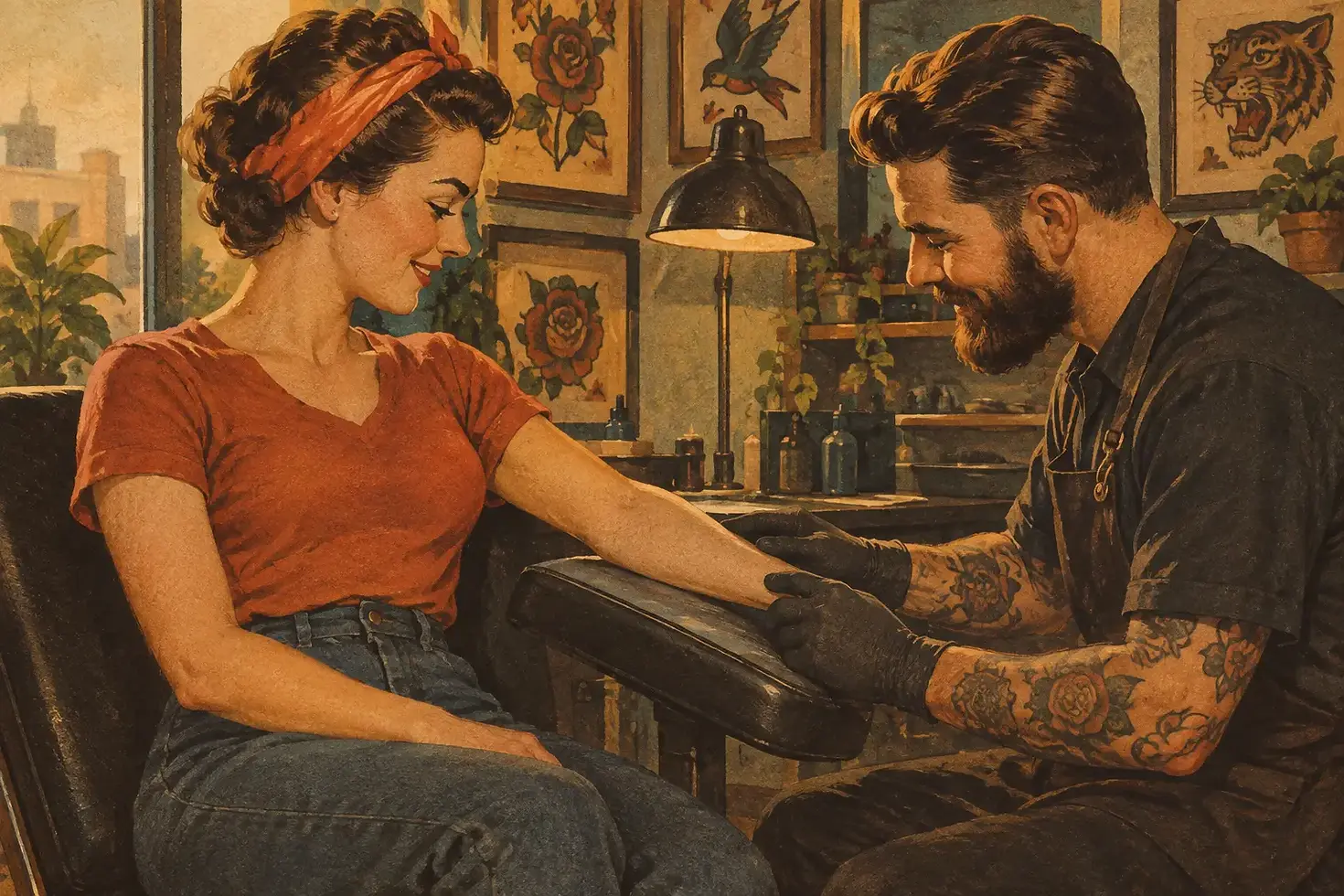
Tattoo Appointment Etiquette That Gets It Right

A tattoo appointment is not a haircut you squeeze in between errands. Your artist is preparing a design, setting up a clean station, and giving your skin their full attention for however long the work takes. Good tattoo appointment etiquette starts with treating that time, the craft, and your own body with respect.
That does not mean you need to know every tattoo-shop rule before you walk through the door. A good studio should feel welcoming, whether you are getting your first tattoo or adding to a well-earned collection. It does mean arriving prepared, communicating plainly, and understanding that strong work takes focus.
Tattoo Appointment Etiquette Starts Before You Arrive
The best appointment days are usually decided a few days earlier. Eat a real meal, drink water, and get decent sleep the night before. Tattooing can be physically demanding, especially for a longer session or a sensitive placement. Showing up hungry, dehydrated, or exhausted makes it harder to sit well and can make the entire experience rougher than it needs to be.
Avoid arriving under the influence of alcohol or recreational drugs. Aside from safety and consent concerns, alcohol can affect bleeding and your ability to make clear decisions. If you are sick, have a fever, or have a contagious illness, contact the studio as soon as you can. Rescheduling is far better than exposing artists and other clients or trying to tough out a session when your body needs rest.
Wear clothing that gives your artist easy access to the placement while keeping you comfortable. For a thigh tattoo, loose shorts are practical. For an upper-arm piece, a tank top or sleeveless shirt helps. Think ahead, but do not overcomplicate it. Your artist can help with draping and positioning once you are there.
If you have questions about a medical condition, medication, skin issue, or healing concern, bring them up before the appointment. Your artist is not a doctor, but they need accurate information to make informed decisions about the session. Never hide something because you worry it will be inconvenient.
Choose the Right Artist, Then Trust Their Eye
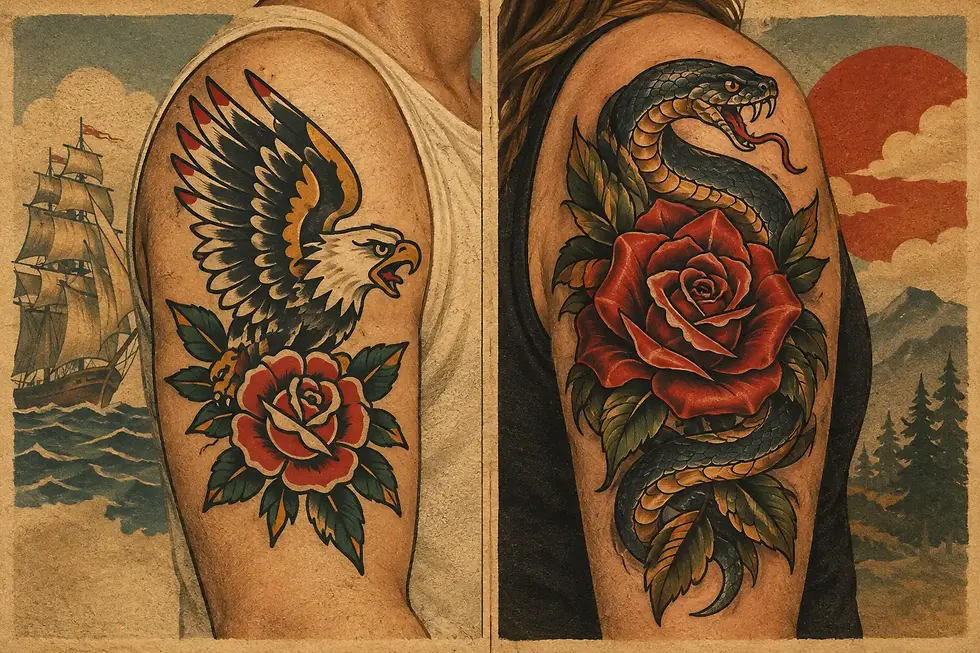
A tattoo is a collaboration, but it is not a committee project. Start by looking at portfolios and choosing an artist whose work genuinely matches the tattoo you want. If you want bright, bold, timeless work, choose someone who consistently makes that kind of work look alive on skin.
Bring clear reference images when they help explain your idea. References are useful for showing subject matter, mood, placement, and color direction. They are less useful when they become a demand for an exact copy of someone else's tattoo. Your artist should make a design for you, not duplicate work that belongs on somebody else.
Be direct about the things that matter most. Say whether the subject, size, placement, lettering, or color is non-negotiable. Then leave room for professional judgment. A good artist may suggest a larger size so details hold up, a different angle that fits the body better, or a simpler composition that will read clearly from across the room. Those are not detours from your idea. They are often what keeps a tattoo strong years from now.
There is a difference between thoughtful feedback and redesigning the tattoo at the last second. If the design misses the brief, say so plainly and respectfully. If you need significant changes, understand that more drawing time may be needed and the appointment may need to move. Last-minute pivots can affect the day for everyone, especially when a custom design was prepared around your original request.
Be Honest About Budget and Timing
Do not ask an artist to make a large, detailed tattoo fit a small budget by shrinking it until it loses its impact. Size, placement, color, and detail all affect what can be done well in a session. Tell the artist your budget range early, and ask what would make the strongest tattoo within it.
The same goes for time. If you need to leave by a certain hour, mention it before the appointment begins. An artist can advise whether the planned work fits the window or whether it makes more sense to divide it into sessions. Rushing the final hour of a tattoo is rarely the move.
Show Up on Time and Ready to Focus
Arrive on time, or a little early if you need to complete paperwork, use the restroom, or settle in. Arriving extremely early can be disruptive if the studio is busy, so there is no need to camp outside the door. A few minutes is plenty.
If you are running late, call or message as soon as you know. Do not assume a short delay is harmless. Appointment schedules often run tightly, and your lost time may not be recoverable. Repeated lateness or a no-show can cost an artist income and affect future booking. Deposits and cancellation policies exist for a reason, so read them before committing to a date.
Once the stencil is on, take a real look. Check the placement in the mirror, move naturally, and speak up before tattooing begins if something feels off. This is the right moment to ask for an adjustment. After the first line goes in, placement changes are no longer an easy fix.
During the tattoo, stay as still as you can. Tell your artist if you need a break, feel lightheaded, or have to shift position. Short, clear communication is better than trying to endure discomfort silently until you suddenly need to move. Your artist needs a stable canvas, and you deserve to feel safe enough to say what you need.
Bring Support, Not a Crowd
A friend can make a first appointment feel easier, but check the studio's guest policy before bringing anyone. Space is often limited, and a crowded station can distract both the artist and the client. If you bring someone, choose a calm person who can sit quietly and support you without turning the appointment into a performance.
Kids, frequent phone calls, loud videos, and a revolving door of visitors do not belong around a tattoo station. Keep your phone on silent, use headphones if you need entertainment, and save long calls for outside. Conversation is welcome when it happens naturally, but artists also need room to concentrate.
Food can be helpful for a long session, particularly something simple that keeps your energy up. Ask before eating at the station, and keep drinks secure and away from equipment. Clean workspaces are not optional.
Respect the Price and Tip With Intention
A tattoo price covers more than time with a machine in hand. It reflects drawing, consultations, setup, single-use supplies, studio overhead, technical skill, and years spent building a body of work. Haggling over a quoted price is not good etiquette. If the cost is beyond your budget, ask whether a smaller design, different approach, or future appointment makes sense.
Tipping is customary and appreciated when you are happy with the work and experience. There is no magic number that fits every tattoo, but a tip is a clear way to recognize care, craftsmanship, and time. Cash is often easiest, though studios may offer other options. If you are unsure, ask the front desk or your artist without making it awkward.
Treat Aftercare Like Part of the Appointment
The tattoo does not end when you stand up from the chair. Listen to the aftercare instructions you are given, because healing advice can vary slightly based on the tattoo, placement, and products used. Keep the area clean, avoid picking or scratching, and protect it from unnecessary friction, sun, and soaking while it heals.
Do not crowdsource every flake, scab, or itchy moment online. Healing can look strange before it looks settled. If something seems genuinely wrong, contact the studio directly and describe what is happening. A clear photo, taken in good light, is usually more helpful than a vague message.
Good Tattoo welcomes both planned appointments and walk-ins, but the same standard applies either way: come ready to make a good decision and give the work the attention it deserves. Respect the process, ask the questions you actually have, and let a well-made tattoo earn its place on you for the long haul.


Comments