


Tattoo Studio Review Checklist: What Counts

A five-star average can look convincing until you read the actual words behind it. For a tattoo, the details matter more than a quick rating: who made the piece, whether the design fits the client, how the studio handled questions, and what the work looks like after it has settled. Use this tattoo studio review checklist to read between the lines and choose with confidence.
Start With the Work, Not the Star Rating
Reviews are useful, but they are not a substitute for looking at an artist’s portfolio. A tattoo is permanent visual work. The strongest review in the world cannot tell you whether an artist’s linework, color, black shading, composition, or lettering matches what you want on your skin.
Look for consistency across fresh tattoos and healed work when it is available. Fresh work can look sharp under good lighting. Healed work tells you more about saturation, clarity, and whether the design still reads from a normal distance. For bright, bold traditional-inspired tattoos, clean outlines, deliberate color packing, and a design that holds its shape matter far more than tiny decorative details that may blur together over time.
Pay attention to the scale of tattoos in the portfolio, too. A palm-sized flash design and a large custom back piece require different planning. If you have a specific placement or project in mind, find examples that show the artist can handle that kind of work. The right fit is not about finding an artist who can tattoo anything. It is about finding one whose strengths line up with your idea.
Tattoo Studio Review Checklist: Read for Specifics
The most helpful reviews describe an actual experience. “Great place” is kind, but it does not give you much to work with. A useful review explains what the client got, how the consultation went, whether the artist helped improve the idea, and how they felt about the finished tattoo.
As you read, look for repeated comments about these four areas:
Cleanliness, calm procedure, and professional setup
Clear communication before and during the appointment
Respect for the client’s comfort, time, and questions
Strong design choices and work the client remains happy to wear
Patterns matter. One frustrated review may reflect a scheduling mix-up, a mismatch in expectations, or a client who wanted a design that was not a good tattoo. Several reviews describing the same problem deserve closer attention. The same goes for praise. If multiple people mention thoughtful redraws, steady guidance, or excellent healed results, that is more meaningful than generic compliments.
Read both recent and older reviews. Recent feedback shows how the studio is operating now. Older reviews can reveal whether a studio has built trust over years or whether good experiences are a short-lived spike. Neither date range tells the whole story on its own.
Notice How the Studio Responds
A professional response does not need to be overly polished. It should be direct, respectful, and focused on resolving a concern when one is raised. Mistakes happen in any service business. What matters is whether communication stays clear and whether the client is treated like a person, not a problem.
Be cautious with reviews that focus only on getting the lowest possible price. Tattoo pricing reflects time, experience, materials, preparation, design, and the care taken to do the work properly. A cheap tattoo is not automatically a bad tattoo, but price alone is a poor way to judge value. You are paying for a piece that needs to look good long after the appointment ends.
Check Whether Communication Feels Straightforward
Before you commit, see how easy it is to get basic answers. A good studio should make it clear how to book, what information is needed for a custom request, whether walk-ins are available, and what to expect around deposits, timing, and payment.
For a planned tattoo, a clear inquiry process is a good sign. You should be able to share your idea, placement, approximate size, reference images if they help, and your preferred artist if you have one. A consultation is not a promise that every reference image will be copied exactly. It is where a solid concept becomes a tattoo designed for your body and for the long haul.
For a walk-in, flexibility is part of the appeal. You may be able to choose from available flash or bring a simple idea, but artist availability and the scope of the design will shape what can happen that day. If you want a large, detailed custom piece, an appointment usually gives the artist more time to draw, plan, and place it well.
The best communication is honest, even when the answer is not what you expected. An artist who recommends a larger size, fewer details, a different placement, or a different approach may be protecting the tattoo from aging badly. That is good judgment, not a sales pitch.
Look for Clean Standards Without Playing Inspector
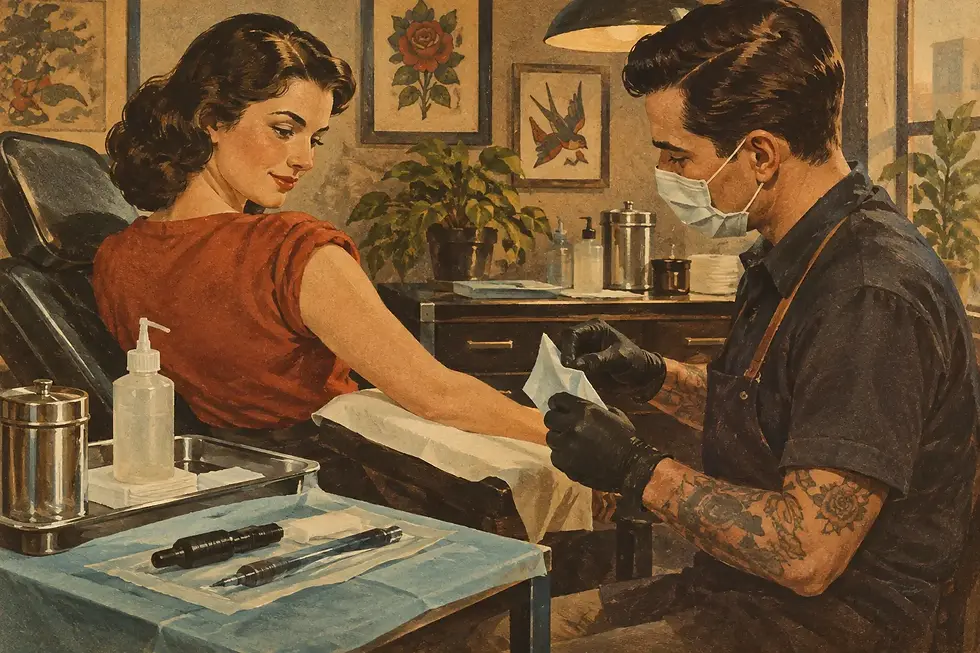
You do not need to be an expert in sanitation to recognize a professional environment. Reviews can offer clues, but your own observation matters when you arrive. The studio should feel orderly, the work area should be prepared for each client, and the artist should be willing to explain what is happening if you are new to tattooing.
Cleanliness is not just a visual aesthetic. It is part of the process. Fresh, single-use supplies should be opened and set up appropriately, surfaces should be protected and cleaned, and aftercare instructions should be clear enough that you know how to care for the tattoo at home.
Do not confuse a relaxed tattoo studio with a careless one. A welcoming room, good conversation, and an easygoing atmosphere can coexist with serious professional standards. In fact, they should. You should feel comfortable asking questions without feeling rushed or embarrassed.
Make Sure the Design Will Still Work Years From Now
Reviews often celebrate the immediate reveal, and rightly so. Still, the better question is whether the tattoo was designed to stay readable. Skin changes. Sun exposure happens. Fine details can soften. Placement affects how a design moves and wears.
That does not mean every tattoo needs to be big and bold. It means the artist should make intentional choices about line weight, spacing, contrast, and color. A strong tattoo has a clear visual hierarchy. You can see what it is before you are close enough to inspect every small detail.
Bring your taste, but leave room for expertise. If you love a traditional panther, a floral piece, a dagger, a script tattoo, or an original custom concept, tell the artist what draws you to it. Then listen when they explain how to make it read better on the chosen placement. The goal is not to force your idea into a template. It is to make the idea wearable.
Trust the Fit, Not Just the Hype
A tattoo appointment is personal. You are choosing an artist’s work, but you are also choosing how you want to be treated during a process that can take time and nerve. First-time clients may need more guidance. Experienced collectors may know exactly which artist they want. Both should be welcomed without pressure.
Good Tattoo is built around that balance: bold, lasting work, individual artist selection, and a straightforward path for both appointments and walk-ins. If you are in Oakland, take the time to view the work, ask the practical questions, and choose the artist whose designs make you want to wear them for decades.
A good review can get a studio onto your list. A strong portfolio, clear communication, clean standards, and a design you genuinely believe in are what should move it to the top. When those pieces line up, book the tattoo you will be proud to see every day.


Comments