


Tattoo Quality: What Makes a Tattoo Last

A tattoo can look great the day it is finished and still disappoint a few years later. Tattoo quality is not just about a clean photo taken under good lighting. It is the combination of a design that reads clearly, an artist who applies it with control, and a healing process that gives the work its best chance to settle well.
That standard matters whether you are getting a small walk-in tattoo or planning a large custom piece. A good tattoo should feel considered from the first conversation to the day it becomes part of your everyday skin.
Tattoo Quality Starts Before the Needle
The strongest tattoos begin with a design that knows what it needs to do. Skin is not paper. It moves, stretches, changes with age, and has texture. A design that looks impressive on a phone screen may not have the same impact once it is reduced, wrapped around an arm, or viewed from across the room.
This is where clear shapes, deliberate spacing, and a confident silhouette matter. Traditional tattooing has stayed visually powerful for generations because it respects those fundamentals. Bold lines, readable color, and intentional contrast give an image enough structure to hold together. That does not mean every tattoo has to follow one style. It means every style benefits from good visual decisions.
Tiny details can be beautiful, but they have a trade-off. When too many fine elements are packed into a small area, the design may lose separation as it heals and ages. A skilled artist will tell you when a concept needs more room, fewer details, or a different placement. That is not a refusal to do the idea. It is how the idea gets a better result.
Placement also changes the design. A tattoo on the forearm gets seen differently than one on the upper thigh. Curved areas can add movement to a design, while high-motion spots may call for simpler forms. Hands, fingers, feet, and other areas that take constant wear can be less predictable during healing. The right choice depends on your priorities: exact placement, a particular size, long-term crispness, or some balance between all three.
A Portfolio Should Show More Than One Great Photo
When you are choosing an artist, look for consistency. One strong tattoo proves someone can make one strong tattoo. A body of work shows whether they can repeatedly draw clean lines, build solid color, create balanced compositions, and work across different placements and skin tones.
Fresh work is useful because it shows clarity and finish. Healed work is useful because it shows how tattoos settle into skin over time. Both tell part of the story. Pay attention to whether the tattoos have a strong read from a normal viewing distance, not only in close-up photographs.
Style fit matters too. If you want bright, bold imagery with lasting presence, choose an artist whose work already speaks that language. You should not have to guess how your idea will translate through their hand. The best collaboration starts with a shared visual point of view.
The Details That Protect Tattoo Quality
Good application is controlled, not rushed. Clean linework should have a deliberate weight and direction. Black should look saturated rather than patchy. Color should be packed evenly, with enough contrast to stay lively as the tattoo heals. Smooth shading should support the design instead of turning it muddy.
These qualities are easy to describe and difficult to execute. They come from repetition, steady technique, thoughtful machine control, and the ability to respond to the skin in front of the artist. Different parts of the body can take ink differently. Skin condition, placement, and the complexity of the design all affect the session.
A careful artist also knows when to slow down, simplify, or split a larger project into more than one appointment. More time is not automatically better, but forcing too much work into one sitting can compromise both comfort and finish. The goal is not to endure the longest session possible. The goal is to leave with work that has been given the attention it deserves.
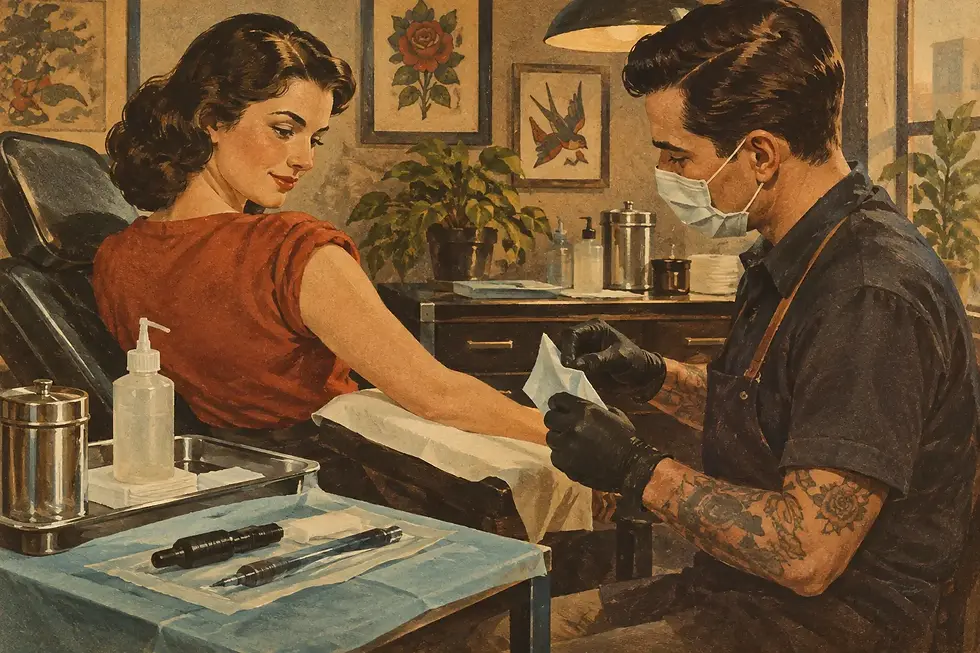
A professional setup matters just as much as visual skill. Clean procedures, fresh single-use supplies where appropriate, proper station preparation, and clear aftercare guidance are part of the job. Clients should feel comfortable asking questions before the appointment begins. You are trusting someone with your skin. Straight answers are part of good service.
Healing Is Part of the Craft
The tattoo does not stop changing when the appointment ends. During healing, the skin is doing real work. It may feel tender, tight, itchy, or flaky at different stages. A tattoo can look cloudy for a while before it settles. That is normal, and it is one reason a healed tattoo should not be judged too soon.
Follow the aftercare instructions you are given, even if they differ slightly from advice you heard elsewhere. Artists may tailor recommendations to the style, placement, and condition of your tattoo. In general, healing calls for clean hands, gentle washing, a light touch with aftercare products, and patience.
Over-moisturizing is a common mistake. So is picking at flakes or scabs, soaking the tattoo too early, and exposing it to friction, sun, or dirty water before it has healed. You do not need an elaborate routine. You need a calm, consistent one.
Once healed, sunscreen is one of the simplest ways to protect the color and contrast of a tattoo that sees daylight. Sun exposure affects all skin, and tattoos are no exception. A bright tattoo can stay brighter when it is treated like something worth maintaining.
What a Good Consultation Sounds Like
A good consultation is not a sales pitch. It is a practical design conversation. You should be able to explain your idea, preferred placement, approximate size, and any reference points that help communicate the mood or subject. The artist should be able to explain what will translate well and where adjustments may improve the final tattoo.
Bring references for direction, not a demand for a carbon copy. A favorite color palette, a shape you like, an example of the scale you have in mind, or a subject that matters to you can all help. The best tattoo is rarely made by squeezing unrelated references together. It comes from identifying the essential idea and giving it a strong form.
If you are unsure, say so. First tattoos do not require expert vocabulary. An experienced artist can help you narrow down placement, size, and style without making the process feel intimidating. For a spontaneous walk-in tattoo, the same principle applies: choose something with a clear read and stay open to smart adjustments that make it work better on skin.
At Good Tattoo, the standard is simple: good tattoos are the norm, not the exception. That means making room for both the person who has a fully formed custom concept and the person who walks in ready to find the right idea.
A Lasting Tattoo Is Built on Good Decisions
Price should be understood in context. A tattoo is permanent work made by hand, on a living surface, with materials, preparation, design time, and years of practiced skill behind it. The cheapest option is not always the least expensive in the long run, especially if the result needs correction, coverage, or repeated touch-ups.
That does not mean every tattoo needs to be large or complicated. A small tattoo with excellent placement, clean execution, and a direct idea can have more impact than an overworked piece. Quality is not about making every design bigger. It is about making each design make sense.
Give yourself permission to wait when an idea is not ready. Save references, think about where you want to see the tattoo every day, and choose an artist whose work you would be proud to wear even before it becomes your specific design. When the concept, placement, artist, and aftercare line up, you are not just getting through an appointment. You are giving the tattoo a real chance to look good for years.


Comments