


A Downtown Oakland Tattoo Studio Built to Last

A tattoo can be a quick decision, but it should never feel like a careless one. Whether you walk in with a clear idea or spend months collecting references, choosing a downtown Oakland tattoo studio comes down to the same question: will this design still look strong when the excitement of tattoo day has worn off?
At Good Tattoo, the answer starts with the work. Bright color, bold black lines, readable designs, and artists who know how to make an image hold its ground on skin. Good tattoos are the norm, not the exception.
What a Downtown Oakland Tattoo Studio Should Get Right
The best tattoo experience is not about making the process feel overly complicated. It is about getting the fundamentals right every time: strong drawing, solid application, a clean shop, clear communication, and an artist whose work matches what you want to wear.
A tattoo is not a screen image. It moves with your body, changes slightly as it heals, and lives in real light rather than on a phone. Fine details can blur. Tiny lettering can lose its edge. Trend-driven ideas can feel thin once the moment that inspired them has passed. That does not mean every tattoo needs to be large or traditional. It means the design needs to be made with skin and time in mind.
Traditional tattooing has lasted because it respects those facts. Clear outlines, deliberate contrast, balanced color, and simple shapes give a tattoo the visual strength to age with character. A rose, panther, eagle, skull, dagger, or custom drawing does not need to be complicated to be memorable. The right design reads from across the room and rewards a closer look.
Start With the Artist, Not Just the Idea
If you are planning a custom tattoo, look at artist portfolios before you settle on an exact concept. The same subject can feel completely different in different hands. One artist may bring heavy blackwork and tough line weight; another may favor bright color, cleaner spacing, or more ornamental detail.
Portfolio viewing is not about finding a carbon-copy image to duplicate. It is how you learn what an artist does best. Pay attention to healed-looking, legible work, not only close-up photos taken right after a tattoo is finished. Look for consistent linework, color that feels intentional, and compositions that fit the body rather than sitting on it like a sticker.
Bring references if they help explain your direction. A few images can communicate mood, subject matter, color, and placement faster than a long message. But leave room for the artist to design. The point of a custom tattoo is not to recreate a picture found online. It is to make something that belongs on you.
For collectors, artist selection is part of the fun. For first-timers, it can remove a lot of uncertainty. You do not need to know every tattoo term or arrive with a finished drawing. You need a direction, a realistic sense of size and placement, and a willingness to hear why a small change may make the tattoo better.
Size Is Part of the Design
One of the most useful conversations you can have before a tattoo is about scale. People often choose a size based on what feels safe in the moment, then wish the design had more room to breathe. A little extra space can protect details, keep lettering readable, and make the tattoo feel more intentional.
That said, bigger is not automatically better. A small, simple tattoo can be excellent when the design is built for it. The trade-off is detail. If you want a face, a scene, delicate script, or several visual elements in one piece, the tattoo needs enough skin to carry that information. A good artist will be direct about where that line is.
Walk In or Book Ahead?
Both are good options. The right choice depends on the tattoo, your schedule, and how specific your idea is.
Walk-ins make sense when you are ready for a straightforward design, want to choose from available flash, or have an idea that can be drawn and tattooed in one visit. They are also a strong choice when you want the energy of making a decision and leaving with a real tattoo the same day. Walk-ins are always welcome, but availability naturally depends on the day and which artists are working.
Booking ahead is usually better for larger work, custom compositions, cover-up discussions, or a tattoo tied to a particular artist's style. It gives you and the artist room to talk through placement, sizing, color, and references before tattoo day. That prep is not red tape. It is how an idea becomes a design with structure.
If you are unsure which route fits, start with a direct conversation. A clear inquiry with your idea, preferred placement, approximate size, reference images, and schedule helps the shop point you toward the right service. You do not need a perfect plan. You just need enough information to begin.
Come Ready to Make a Good Decision
Tattoo day goes better when you arrive rested, fed, hydrated, and on time. Wear clothing that gives the artist easy access to the area being tattooed, and choose something you will be comfortable sitting in for a while. If your appointment is long, plan the rest of your day accordingly.
Be honest about changes you want to make before the tattoo starts. Moving a design a little, adjusting its size, or simplifying a detail is normal during the stencil stage. Once the tattoo is underway, major pivots are rarely practical. Good communication up front protects the work and keeps the session focused.
It also helps to trust a professional opinion when it is grounded in longevity. If an artist suggests bolder lines, fewer tiny details, a different placement, or more space between elements, they are not trying to erase your idea. They are protecting the tattoo from becoming muddy, cramped, or hard to read later.
The Shop Experience Matters
A welcoming studio should feel organized without feeling stiff. You should know how to book, how to contact the shop, who the artists are, and what kind of work they make. Clear processes matter because tattoos are personal. The fewer unanswered questions you have before you sit down, the more present you can be for the experience.
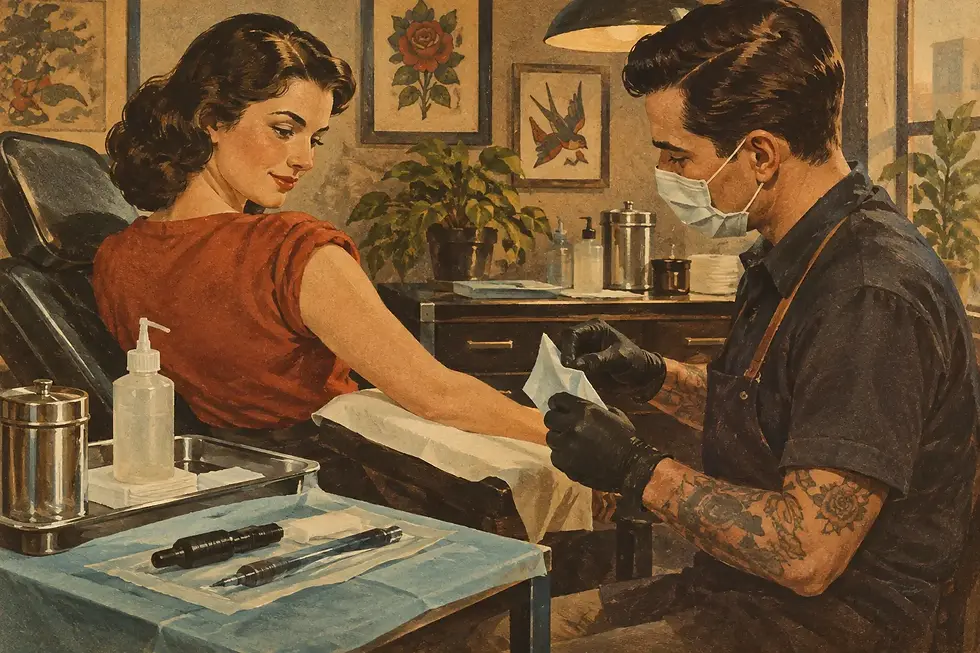
Hygiene matters just as much as design. A professional tattoo environment uses clean, single-use supplies where appropriate, follows careful setup and cleanup practices, and treats safety as a baseline rather than a selling point. Do not be shy about asking questions. A good shop will answer them plainly.
The atmosphere counts, too. Some clients want to talk through the whole appointment. Others would rather settle in, put on headphones, and let the artist work. Either is fine. The goal is a respectful room where the focus stays on making a tattoo you are proud to wear.
Choose Work You Will Want to Keep Seeing
The strongest tattoos are often the ones that do not need a complicated explanation. They can mark a person, place, memory, obsession, joke, or feeling, but they still work as images first. A bold design has enough presence to stand on its own.
This is where classic tattoo language earns its reputation. It gives you a durable visual vocabulary without forcing you into a costume. You can choose something familiar, make it personal, and let the artist shape it into work that feels direct rather than generic. A traditional foundation can carry plenty of personality.
If you are a first-time client, do not wait for a mythical perfect idea. Pick a subject you genuinely like, give it enough size to last, and work with an artist whose portfolio makes you confident. If you already collect tattoos, make room for the piece that brings fresh energy to your skin instead of chasing whatever is loudest online.
The right downtown Oakland tattoo studio should leave you with more than a good afternoon. It should give you a tattoo with clear design, solid craft, and enough life in it to still feel right years from now.


Comments